Artificial intelligence is changing how we work, learn, and create. Behind every smart AI tool lies a powerful combination of instructions and technology.
That’s where system prompts and models of ai tools come into play. These elements act like the brain and voice of AI systems, guiding how they respond, think, and deliver results.
Whether you’re using AI for writing, coding, marketing, or research, understanding how prompts and models work can give you a major advantage.
In simple terms, system prompts are the hidden instructions that shape how an AI behaves, while models are the engines that process information and generate responses.
Together, they form the foundation of modern AI tools. As more businesses and individuals rely on AI, knowing how to use these components effectively can help you get better, faster, and more accurate results.
In this guide, we’ll break down everything you need to know about system prompts and models of ai tools in a simple, easy to understand way no technical background required.
What Are System Prompts in AI Tools?
- 🧠 System prompts define how an AI should behave
- 📝 They act as instructions given before user input
- ⚙️ Help control tone, style, and output format
- 🎯 Ensure responses align with user expectations
- 🔍 Guide AI to focus on specific tasks
- 💡 Improve consistency in answers
- 🔐 Often hidden from end users
- 📊 Used widely in chatbots and assistants
- 🤖 Essential in system-prompts-and-models-of-ai-tools
- 🚀 Enable better customization of AI responses
Understanding AI Models in Simple Terms
- 🤖 AI models are trained systems that process data
- 📚 Learn patterns from large datasets
- 🧠 Power the intelligence behind AI tools
- 🔄 Continuously improved through updates
- ⚡ Generate responses based on training
- 🧩 Work with prompts to deliver outputs
- 🌐 Used in text, image, and voice AI tools
- 📈 Help automate complex tasks
- 💬 Enable conversational AI experiences
- 🔍 Core part of system-prompts-and-models-of-ai-tools
How System Prompts Shape AI Behavior
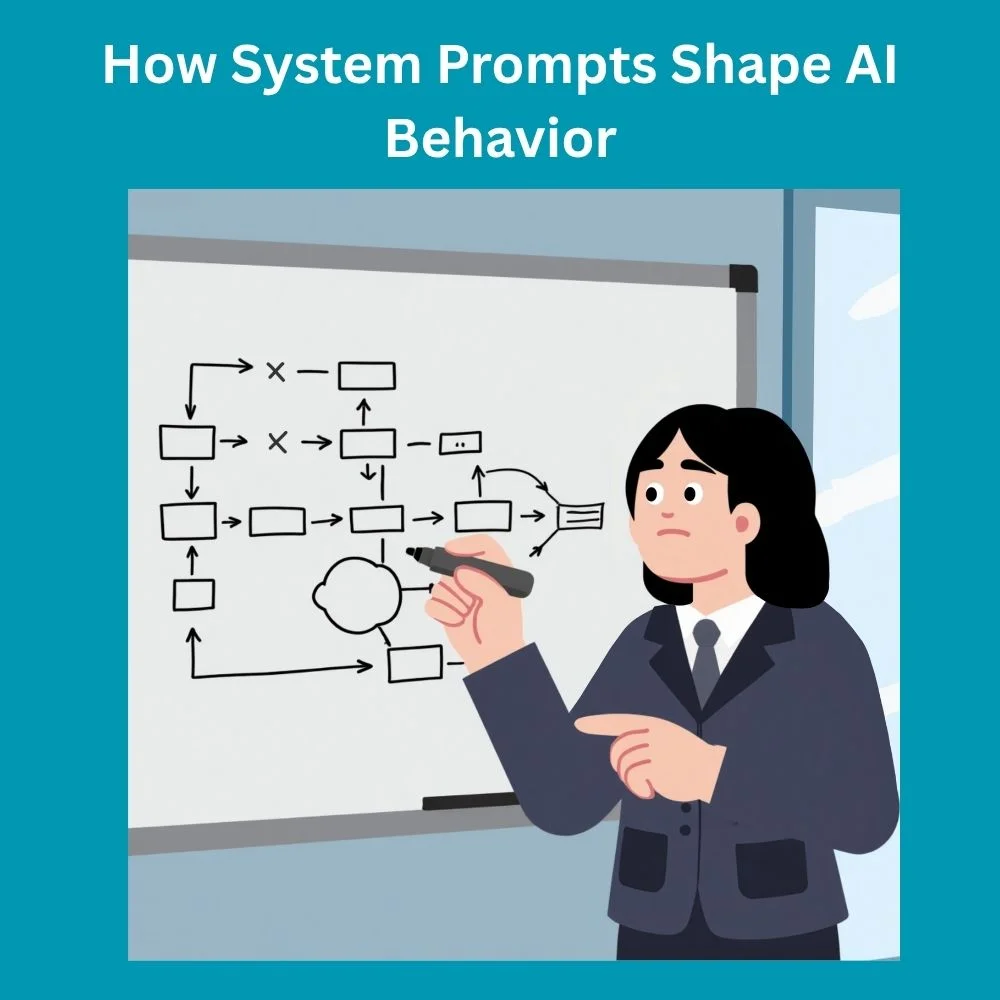
- 🎯 Control how AI responds to queries
- 🗣️ Define tone (formal, casual, friendly)
- 🧾 Set rules for formatting responses
- ⚖️ Maintain ethical and safe outputs
- 🔄 Ensure consistent behavior across sessions
- 🧠 Guide AI decision-making
- 🧑💻 Useful for developers and businesses
- 📊 Improve accuracy of responses
- 🚫 Reduce irrelevant outputs
- 🔍 Essential in system-prompts-and-models-of-ai-tools
Types of AI Models Used Today
- 🧠 Language models (text generation)
- 🖼️ Image generation models
- 🎧 Speech recognition models
- 🎥 Video processing models
- 📊 Predictive analytics models
- 🤖 Chatbot-specific models
- 🧬 Deep learning models
- 📉 Recommendation systems
- 🛠️ Task-specific AI models
- 🔍 All part of system-prompts-and-models-of-ai-tools
Benefits of Using System Prompts Effectively

- 🚀 Faster and more accurate responses
- 🎯 Better control over AI output
- 💬 Improved communication quality
- 📊 Consistent results across tasks
- 🧠 Enhanced user experience
- 🔧 Customization for different needs
- 📈 Increased productivity
- 🛡️ Safer and more reliable outputs
- 🧑💻 Useful for businesses and creators
- 🔍 Key advantage in system-prompts-and-models-of-ai-tools
Common Mistakes When Using AI Prompts
- ❌ Being too vague in instructions
- ❌ Overloading prompts with information
- ❌ Ignoring context or clarity
- ❌ Not testing different prompt styles
- ❌ Expecting perfect results instantly
- ❌ Using unclear language
- ❌ Forgetting to refine prompts
- ❌ Not understanding AI limitations
- ❌ Ignoring output formatting
- ❌ Misusing system-prompts-and-models-of-ai-tools
How AI Models Learn and Improve
- 📚 Trained on large datasets
- 🔄 Updated regularly for better performance
- 🧠 Learn patterns and relationships
- 📊 Improve through feedback loops
- ⚙️ Fine-tuned for specific tasks
- 🧪 Tested for accuracy and safety
- 🌐 Adapt to different industries
- 📈 Become more efficient over time
- 🤖 Work closely with system prompts
- 🔍 Essential in system-prompts-and-models-of-ai-tools
Real-World Uses of AI Prompts and Models
- ✍️ Content writing and blogging
- 💻 Code generation and debugging
- 📧 Email drafting and automation
- 📊 Data analysis and reporting
- 🎯 Marketing and ad copy creation
- 🎓 Educational tools and tutoring
- 🛒 E-commerce recommendations
- 🎥 Media and content creation
- 📱 Chatbots and virtual assistants
- 🔍 Practical uses of system-prompts-and-models-of-ai-tools
Tips to Create Better AI Prompts

- ✍️ Be clear and specific
- 🎯 Define the desired outcome
- 📏 Keep prompts concise
- 🧠 Provide context when needed
- 🔄 Experiment with variations
- 🧾 Use structured instructions
- 🗣️ Set tone and style
- 📊 Ask for step-by-step outputs
- 🧪 Test and refine regularly
- 🔍 Improve system-prompts-and-models-of-ai-tools usage
Future of AI Prompts and Models
- 🚀 More advanced AI capabilities
- 🧠 Smarter and more adaptive models
- 🌐 Wider use across industries
- 🤖 Improved human-AI interaction
- 🔐 Better safety and control systems
- 📊 Increased automation
- 🎯 More personalized experiences
- 🧑💻 Easier prompt creation tools
- 📈 Rapid technological growth
- 🔍 Evolution of system-prompts-and-models-of-ai-tools
Why Understanding AI Systems Matters
- 🧠 Helps you use AI more effectively
- 💼 Valuable skill in modern jobs
- 🚀 Boosts productivity and creativity
- 📊 Improves decision-making
- 🧑💻 Enhances technical knowledge
- 🔍 Enables smarter tool usage
- 🎯 Gives competitive advantage
- 📈 Supports business growth
- 🤖 Prepares for AI-driven future
- 🔍 Importance of system-prompts-and-models-of-ai-tools
Conclusion
Understanding how AI works doesn’t have to be complicated. At the core of every intelligent tool are system prompts and models working together to deliver useful results.
By learning how these elements function, you can unlock the true potential of AI in your daily tasks whether it’s writing content, analyzing data, or automating workflows.
The concept of system prompts and models of ai tools is more than just technical jargon.
It’s a practical skill that helps you communicate better with AI and get more accurate, relevant responses.
With the right approach, even simple prompt adjustments can dramatically improve output quality.
As AI continues to evolve, those who understand how to guide it will always have an advantage.
Start experimenting, keep learning, and refine your approach over time. The future of AI is not just about using tools it’s about using them smartly.
Ready to take your AI skills to the next level? Start experimenting with your own prompts today and see how small changes can make a big difference! Explore more guides, test different AI tools, and unlock the full power of system-prompts-and-models-of-ai-tools now!

A passionate content writer specializing in SEO-driven blogs and digital storytelling. He helps brands grow with engaging and user-focused content.